
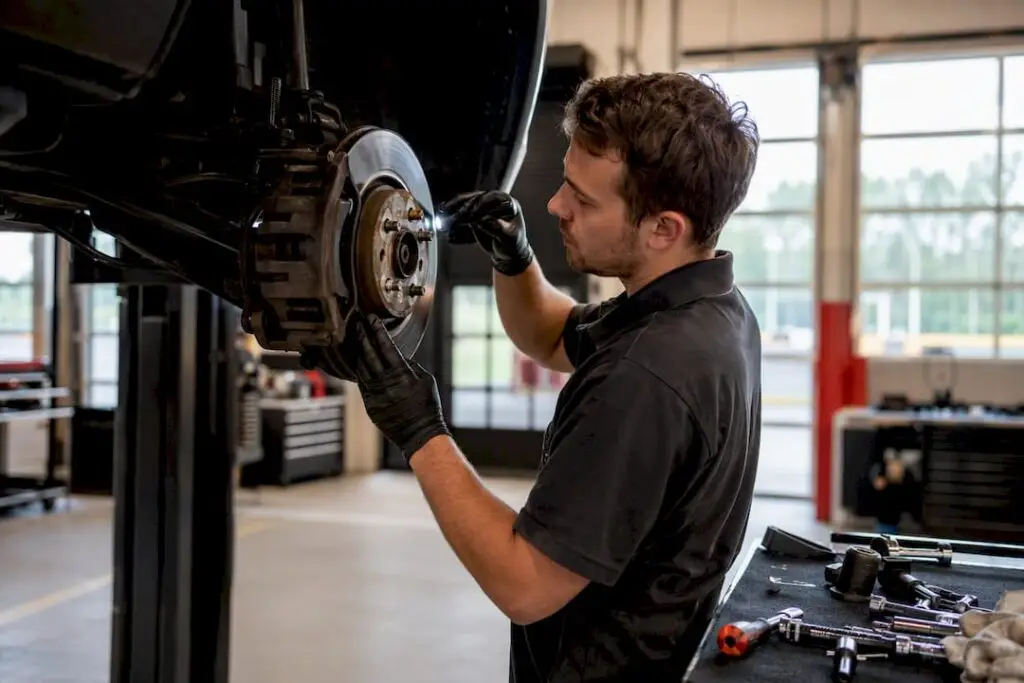
That high-pitched sound is almost always one of four things: a worn-out wear indicator, surface rust from sitting overnight, glazed pads from overheating, or loose hardware vibrating against metal. Start with the warm-up test: make three to five gentle stops from low speed and listen for the noise to fade. If it fades, you’re probably fine for now. If it persists, or you hear grinding, feel the pedal pulse, or the car pulls to one side, stop driving it and get it looked at.
TL;DR:
- Rust or debris usually cause brake squeal in the first few stops, and these issues typically resolve themselves after three to five gentle stops.
- Persistent squealing, grinding, or symptoms like brake pulling and a sinking pedal require immediate inspection because they signal serious problems such as worn pads or damaged rotors.
- Brake hardware issues, such as missing shims or stuck calipers, can trigger squeal and need specific repairs like hardware replacement or caliper service.
- Ignoring brake squeal caused by worn pads can lead to metal-on-metal contact, more expensive repairs, and compromised braking performance.
- Proper diagnosis involves a lift inspection, road test, and listening with calibrated tools to identify the true source of noise before repairs.
Table of Contents
- What Causes Brake Squeal? The Most Common Culprits
- How to Check Squeaky Brakes Safely at Home
- Grinding, Pulling, or Just Noisy? When to Worry
- What Happens at a Brake Shop: Diagnosis and Repair
- What Happens if You Ignore Brake Squeal Long Enough
- How a Diagnostic-First Shop Reads Brake Noise
- Book a Brake Diagnostic With Alternativecarcare
- Sources
- FAQ
What Causes Brake Squeal? The Most Common Culprits
Most brake squeal traces back to one of eight things, and knowing which one you’re dealing with changes whether you need a wrench or just a dry afternoon.
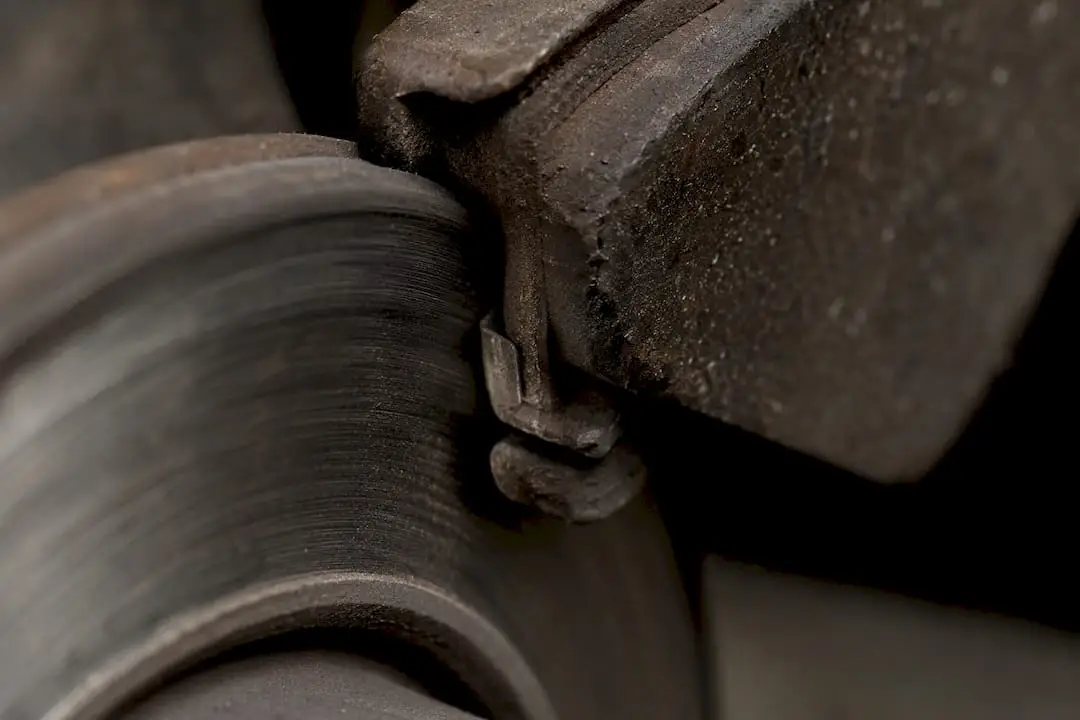
Worn pads and wear indicators. Most pads have a small metal tab built into the backing plate. When the friction material wears down to about 2-3 millimeters, that tab contacts the rotor and produces a deliberate, high-pitched squeal. It’s not a malfunction. It’s the pad telling you it’s near the end of its life, and ignoring it long enough turns that squeal into a grinding sound as the tab wears through and metal meets metal.
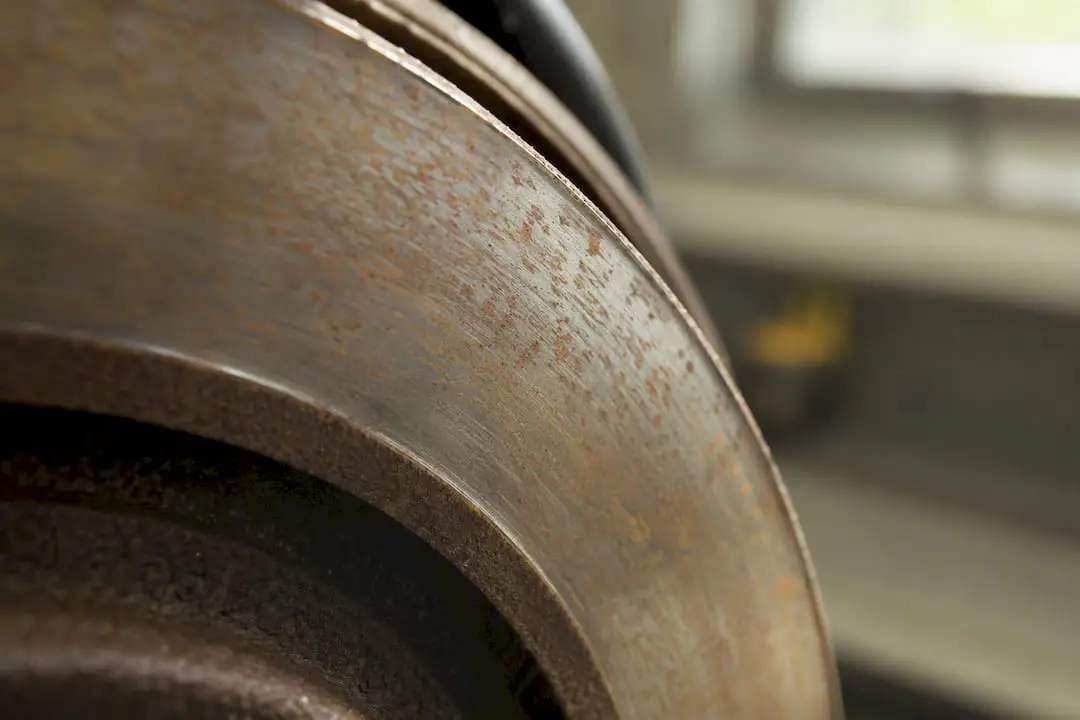
Moisture or surface rust. Park outside overnight or drive through rain, and a thin layer of rust forms on the rotor surface within hours. The first few stops the next morning scrape it off, which is why so many owners notice squeal specifically in the morning or after a car wash. This is one of the few causes on this list that typically resolves itself within a handful of stops.
Glazed pads or rotors. Ride the brakes down a long grade, or let a stuck caliper drag constantly, and the friction material can overheat to the point where it hardens and turns glossy. Glazed surfaces don’t grip well, so you’ll often notice longer stopping distances alongside the noise. That combination is worth taking seriously, not just riding out.
Hardware problems. Missing shims, a snapped anti-rattle clip, or worn slide-pin bushings let the pad move slightly inside the caliper under braking. That tiny bit of play is enough to set off a vibration that reads as squeal.
Insufficient lubrication. Manufacturer guidance is specific here: lubricate the backing-plate contact points and slide pins with high-temperature brake grease, but never let lubricant touch the friction surfaces of the pad or rotor. Grease on the pad face reduces stopping power and can glaze the surface even faster.
Sticking calipers or slider pins. A caliper that doesn’t slide freely applies uneven pressure, which often shows up as squeal plus faster wear on one pad than the other, or a car that pulls slightly during braking.
Debris trapped between pad and rotor. A pebble, brake dust clump, or road grit can wedge itself against the rotor and produce an intermittent, scraping squeal that changes with speed. It sometimes clears on its own after a few hard stops.
New brake bedding-in noise. Fresh pads need a proper break-in period, usually 200 to 500 miles of moderate driving with a few firmer stops mixed in, to transfer an even layer of friction material onto the rotor. Squeal during this window is common and usually fades once that transfer layer forms.
Pro Tip: If your brakes only squeal on the first two or three stops of the day and go silent after that, don’t touch anything. That’s classic surface rust, not a problem.
How to Check Squeaky Brakes Safely at Home
Before you call a shop, three simple checks will tell you a lot about what you’re dealing with and give a technician a head start.
- Run the warm-up test. Find a safe, empty stretch of road and make three to five gentle stops from about 20 mph. If the squeal fades by the third stop, it’s likely rust or debris. If it doesn’t fade, or gets worse, that points to wear, glazing, or hardware.
- Do a park-and-listen check. With the car off and cooled, roll each wheel by hand if it’s off the ground, or have a helper apply light brake pressure while you listen at each wheel well. This helps localize which corner is making noise.
- Look before you touch. If you’re comfortable safely raising the car, chock the opposite wheels, use jack stands (never rely on a jack alone), and check pad thickness through the caliper opening. Anything under 3 millimeters of friction material means it’s replacement time.
- Road-test with attention to detail. Note the speed range where it squeals, whether it happens on light or hard pedal pressure, and whether it’s every stop or just some. Write it down. That detail matters more to a technician than you’d think.
- Know when to stop immediately. Grinding, a pedal that sinks toward the floor, a burning smell, or a brake warning light means you park the car and call for service or a tow, not a drive to the shop.
Pro Tip: Never spray anything, including WD-40, onto the rotor or pad surface to quiet a squeal. It temporarily masks the noise while making the friction surface worse.
Grinding, Pulling, or Just Noisy? When to Worry
Not every squeal means trouble, but some symptoms mean you shouldn’t get behind the wheel again until a professional has looked at the car.
Get it inspected immediately, or don’t drive it at all, if you notice:
- Metal-on-metal grinding (this means pads are gone and rotors are at risk)
- A soft or sinking brake pedal
- A dashboard brake warning light
- The car pulling hard to one side under braking
- A burning smell after normal driving
These patterns can usually wait a few days to a week:
- Squeal only in the first few stops after rain or overnight parking
- New-pad noise during a documented bedding-in period
- Occasional chirps that stop after the car warms up
If you’re in the second category, drive normally but avoid hard, sudden stops until you’ve had it checked. If you’re in the first, treat it as a same-day or next-day issue rather than something to defer.
What Happens at a Brake Shop: Diagnosis and Repair
A properly run diagnostic goes well beyond a quick glance at pad thickness. Technicians typically put the car on a lift, road-test it, and use a stethoscope or accelerometer to pinpoint exactly which wheel and which vibration mode is producing the noise, since modal coupling between components means the source of a squeal isn’t always obvious from sound alone. They’ll also inspect for uneven wear patterns, which often reveal a sticking caliper before the pads themselves become the story.
Common fixes include:
- Hardware replacement (shims, clips, slide-pin boots) when the noise traces to loose components rather than the pads
- Slide-pin service or caliper rebuild when a caliper isn’t moving freely
- Pad and rotor replacement, sometimes with rotor resurfacing if the surface is still within spec but scored
- Caliper replacement when a rebuild isn’t cost-effective or the piston is seized
Rotor machining makes sense when the rotor thickness is still above the minimum spec stamped on the hub, but once it’s below that line, replacement is the only safe option. A Kelley Blue Book breakdown of brake repair costs shows pad-and-rotor jobs commonly running from a few hundred dollars into four figures depending on vehicle type, whether performance rotors are involved, and regional labor rates. European and high-performance vehicles often land at the higher end simply because of parts cost and the precision required for the calipers involved.
A shop worth trusting documents what it finds before recommending work, rather than replacing every part that could theoretically be the cause.
What Happens if You Ignore Brake Squeal Long Enough
Squeal itself doesn’t damage anything. What it’s warning you about does, if you let it run its course.
A worn-pad squeal that gets ignored eventually turns into grinding, and grinding means the backing plate is cutting directly into the rotor surface. At that point you’re no longer replacing a $40 pad set. You’re replacing rotors too, and sometimes calipers if metal debris has worked its way into the slide pins. A glazed pad left in service keeps losing stopping power, which extends braking distance exactly when you need it shortest. A sticking caliper that goes unaddressed wears one pad down far faster than the other, sometimes to metal-on-metal on just one wheel while the other side still has plenty of material left, which throws off braking balance and can pull the car under hard stops.
None of this happens overnight. It’s a slow trade of a cheap, early fix for an expensive, late one, and the squeal was the free warning you got at the start.
How a Diagnostic-First Shop Reads Brake Noise
Experienced technicians don’t start with a parts catalog. They start with a lift, a road test, and a stethoscope, because squeal is a symptom of vibration behavior, not a single fixed defect. Dealer-level diagnostics mean identifying which component is actually resonating before anything gets replaced, and putting that finding in writing so the owner knows exactly what’s being fixed and why.
If you’re bringing a car in, bring notes: when the noise happens, whether it fades or persists, and any recent brake work. That context often cuts diagnostic time in half.
— Hassan
Book a Brake Diagnostic With Alternativecarcare
If the warm-up test didn’t clear things up, or you’re hearing anything on the urgent list, skip the guesswork. Alternativecarcare’s brake diagnostic includes a lift inspection, a real road test, and calibrated listening to trace the noise to its actual source, followed by a written estimate before any work starts.

That last part matters more than it sounds. A lot of shops swap pads first and hope the noise goes away. Alternativecarcare’s technicians work on European, domestic, and high-performance vehicles daily, which means they’re used to chasing down caliper and hardware issues that generic shops sometimes miss entirely. You get quality parts, a clear explanation of what’s actually wrong, and no pressure to authorize work you don’t need. Schedule a diagnostic appointment and same-day evaluations are often available depending on your location and the day’s schedule.
Sources
Technical background on squeal mechanics comes from modal coupling research and a friction-noise study. Practical guidance draws from Motor1, Kelley Blue Book, and PowerStop.
- Application of testing, modal analysis and numerical methods to the detection, prediction and avoidance of squeal noise in automotive brake systems
- Why do brakes squeak?
- Brake Repair Prices & Cost Estimates | Kelley Blue Book
- What Causes Brake Squeal and How To Solve It
FAQ
How Do I Get My Brakes to Stop Squealing?
Run the warm-up test first (three to five gentle stops), since rust and debris often clear on their own. If the noise persists past that, the fix usually requires cleaning, lubricating designated contact points, or replacing worn pads and hardware, not a DIY spray or product.
Is It Okay to Drive With Squealing Brakes?
It’s usually fine short-term if the squeal fades after a few stops and there’s no grinding, pulling, or pedal softness. If any of those other symptoms show up, treat it as urgent and get the car inspected before driving further.
How Much Will It Cost to Fix Squeaky Brakes?
Costs vary widely by cause and vehicle. A hardware or pad service runs into the hundreds of dollars, while rotor replacement or caliper work pushes toward four figures on European or performance vehicles, largely due to parts and labor rates.
Can You Spray WD-40 on Brakes to Stop Squeaking?
No. Spraying anything on the rotor or pad friction surface temporarily masks the squeal while reducing stopping power, and lubricant belongs only on designated backing-plate and slide-pin contact points, never on the friction surfaces themselves.