
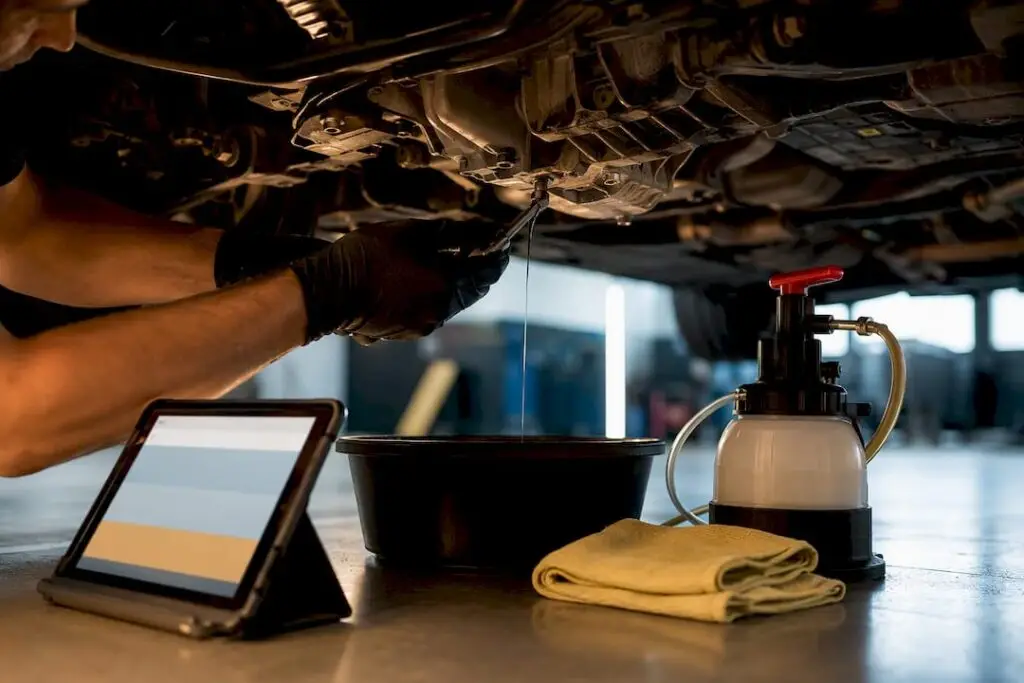
Yes, BMW xDrive transfer cases benefit from periodic fluid service, and skipping it is how a minor judder turns into a drivetrain fault code. The job requires BMW DTF-1 (TF0870) fluid, a fill that matches your model’s specification, and a VTG recalibration through ISTA once the new fluid is in. Independent specialists generally suggest a change after significant mileage, often around the typical interval for major drivetrain maintenance, rather than treating the case as lifetime-fill. DIY is possible if you have the right tools and a scan tool for recalibration; without that last step, don’t bother opening the case at all.
TL;DR:
- Regular transfer case fluid changes with BMW DTF-1 are recommended around 50,000 to 60,000 miles to prevent judder symptoms and drivetrain faults.
- Mismatched tires and uneven wear can cause low-speed judder, so verifying tire condition is crucial before diagnosing transfer case issues.
- Proper fluid volume is essential; overfilling or underfilling can cause leaks or clutch pack starvation, leading to the same judder symptoms.
- A diagnostic scan and VTG recalibration are mandatory steps in fluid service, and skipping them risks persistent problems or new faults.
- Many judder complaints stem from actuator motor or encoder failures, which are often repairable more cheaply than a full transfer case replacement.
Table of Contents
- What Symptoms Mean You Need a Transfer Case Inspection
- How Often Should You Service the BMW Transfer Case?
- What Fluid and Volume Does a BMW Transfer Case Need?
- Servicing the Transfer Case Yourself: Steps, Tools, and Real Risks
- The Professional Diagnostic Workflow and What SIB 27 02 20 Requires
- What Does a BMW Transfer Case Service Actually Cost?
- A Short Preventive Checklist Between Services
- Why We Recommend Diagnostics Before Parts Replacement
- Book a BMW Transfer Case Diagnostic in Dallas
- Sources
- FAQ
What Symptoms Mean You Need a Transfer Case Inspection
A shudder or jerk during low-speed turns, especially in parking lots or tight U-turns, is the signature complaint on xDrive models. It usually shows up as a brief hesitation followed by a lurch, almost like the drivetrain is fighting itself for a split second. Drivers often describe it as feeling the rear end “hop” or “catch” when the wheel is turned sharply at low speed.
That symptom alone doesn’t confirm a transfer case problem. Mismatched or unevenly worn tires are a common cause of the same judder, and specialists recommend checking tire uniformity first before assuming the transfer case itself is at fault. A quarter-inch of tread difference across axles changes rolling circumference enough to fool the all-wheel drive system into thinking it’s slipping.
Beyond the shudder, watch for these signs:
- A dashboard message referencing drivetrain malfunction, reduced power, or all-wheel drive limitation
- A grinding or whining noise from underneath the center of the car, particularly on acceleration
- Vibration through the floor or shifter that increases with speed
- Delayed or harsh engagement when pulling away from a stop, especially in reverse
- Fluid stains beneath the transfer case housing or front differential
Here’s how to triage it yourself before booking anything. Check your tire brands, sizes, and tread depth across all four corners; a mismatch there resolves more judder complaints than any transfer case repair does. If tires check out and the symptom persists, the next step is a diagnostic scan, not a parts swap. Driving with an active drivetrain warning light isn’t an emergency in most cases, but continuing to drive with a known judder for weeks risks accelerating wear on the clutch packs inside the transfer case. If you hear grinding or notice a burning smell, get the car to a shop within days, not weeks.
How Often Should You Service the BMW Transfer Case?
BMW’s official position has shifted over the years, and that inconsistency is exactly what confuses owners. Some model-year repair instructions describe the transfer case fluid as a long-life fill with no scheduled replacement. Other documentation, including SIB 27 02 20, lays out a specific diagnostic and service procedure for when judder complaints come in, which tells you BMW itself expects these units to need attention under real-world conditions.
Independent specialists don’t wait for a complaint. The consensus among shops that see these cars daily is a preventive service window around 50,000 to 60,000 miles, a recommendation echoed by Pelican Parts’ DIY documentation and by BimmerWorld’s parts guidance for xDrive fitments.
A few factors shorten that window meaningfully:
- Frequent low-speed maneuvering (parking garages, tight city driving, trailer backing)
- Off-road or gravel use where the front differential seals see more contamination exposure
- Towing or heavy cargo loads that put sustained torque through the transfer case clutch packs
- A vehicle history with no documented fluid service and mileage north of 70,000
If you genuinely don’t know whether your car’s transfer case fluid has ever been changed, the practical rule is simple: change it. The fluid and labor cost far less than diagnosing a judder complaint after the clutch material has already started breaking down.
What Fluid and Volume Does a BMW Transfer Case Need?
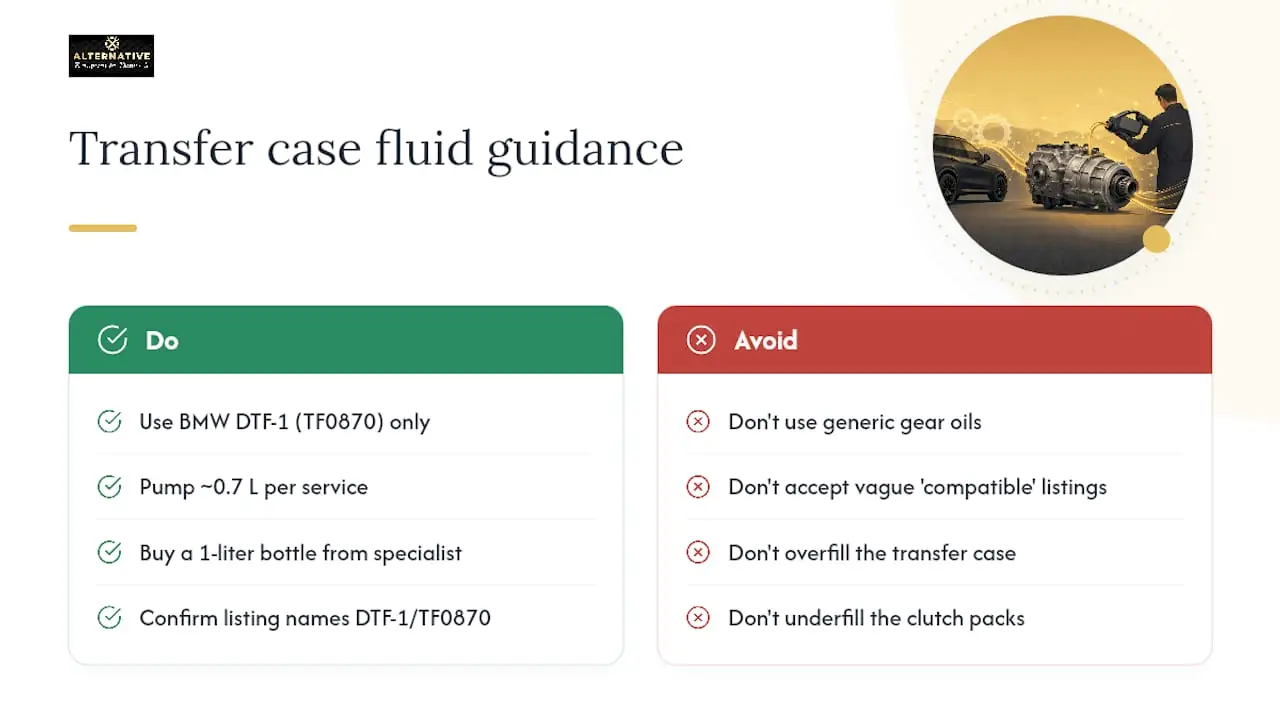
The only fluid to use is BMW DTF-1, also listed under part number TF0870. This isn’t a generic gear oil substitute situation. The clutch pack inside an xDrive transfer case relies on specific friction characteristics in the fluid chemistry, and running anything else can cause immediate drivability problems rather than a slow decline.
Fill volume varies by model, but most xDrive applications require a moderate volume of fluid appropriate for the specific case, typically less than one liter. Transmission Digest’s documentation of the ISTA oil-change procedure confirms a pump-in volume near 0.7 liters for many applications, which means a single 1-liter bottle of DTF-1 typically covers one service with a bit left over. Getting that volume right matters more than it sounds. Overfilling can pressurize the seals and cause leaks at the first heat cycle; underfilling starves the clutch packs and reproduces the exact judder symptom you were trying to fix.
DTF-1/TF0870 is available through specialist BMW parts retailers and is worth sourcing directly rather than accepting a “compatible” alternative from a general auto parts counter. If a listing doesn’t specify DTF-1 or TF0870 by name, don’t buy it for this job. The fluid’s friction modifiers are engineered for the wet-clutch pack design in the transfer case, and a mismatch there is the single most common cause of a botched DIY transfer case fluid change.
Servicing the Transfer Case Yourself: Steps, Tools, and Real Risks
A transfer case fluid change is within reach for a comfortable home mechanic, but it’s not a five-minute job, and the recalibration step is the part most DIY guides gloss over. Here’s the realistic sequence.
- Warm the car up with a short drive so the fluid is at normal operating temperature. Draining cold fluid leaves residue and old contaminants clinging to the case walls.
- Raise the car safely on jack stands, never a floor jack alone, and confirm you have clear access to the transfer case underside.
- Remove the center support/cross-member if your model requires it for access. Some chassis need this out of the way before the drain plug is reachable.
- Locate and open the fill plug first, before draining, so you know the fill port isn’t seized or stripped before you commit to draining the old fluid.
- Drain the old fluid into a clean container so you can inspect it for metal particles before disposal.
- Refill with DTF-1 using an oil extractor or pump designed for tight clearance, filling to the lower edge of the fill port, not by volume alone.
- Install new drain and fill plug seals; reusing crush washers is a common source of slow leaks afterward.
- Torque both plugs to the specification listed in your model’s repair instructions. This is not a “snug it down” fitting.
- Perform the VTG recalibration using an ISTA-compatible scan tool, or have a shop do this step if you don’t have access to one.
- Test drive at least 125 miles to allow the new fluid to fully saturate the clutch packs before judging whether the symptom is gone.
You need a few specific tools for this: an oil extractor or transfer case fill pump, the correct Allen or hex sockets for the plugs, a torque wrench rated for the low-range specs these plugs use, and either your own ISTA-capable scan tool or a plan to have a shop complete the recalibration. That last item isn’t optional equipment, it’s a mandatory step.
Pro Tip: Photograph the drained fluid before you dispose of it. Metal flakes or discoloration are worth documenting, and if you end up needing a shop’s help afterward, that photo gives them a real starting point instead of a guess.
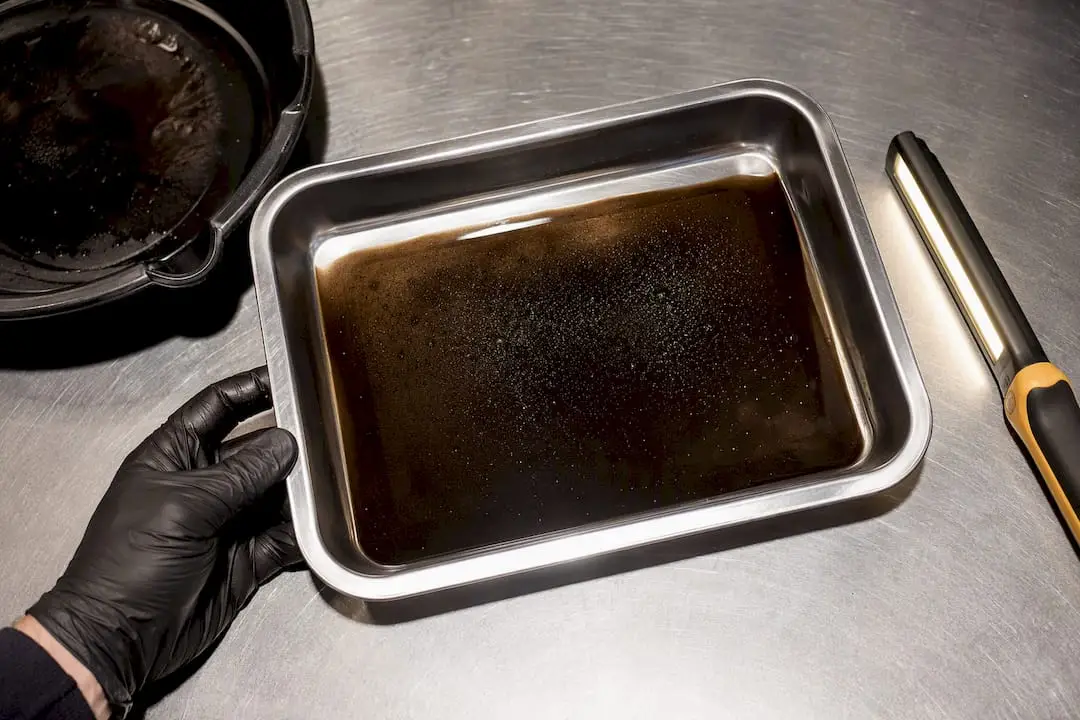
The three mistakes that cause the most damage: using a non-DTF-1 fluid, filling by a rule-of-thumb volume instead of to the port’s lower edge, and skipping the VTG recalibration entirely. Skipping recalibration is the one that catches people off guard, because the car will drive afterward, just not correctly, and the underlying adaptation values the module relies on stay wrong until reset. If you drain the fluid and see metal particles, hear new noises after refilling, or a fault code pops up that wasn’t there before, stop and get the car to a shop. That’s no longer a fluid service, that’s a mechanical failure investigation.
The Professional Diagnostic Workflow and What SIB 27 02 20 Requires
When a BMW comes in with a judder complaint, a competent shop doesn’t start by draining the transfer case. It starts by ruling things out, following a sequence closely mirrored by SIB 27 02 20’s diagnostic path.
The bulletin lays out a specific order: check tire condition and rolling circumference match across all four positions, then use ISTA to temporarily deactivate the VTG (the transfer case’s variable torque management system) and see whether the judder disappears. If it does, that confirms the transfer case, not the tires or suspension, is the source. Only then does the procedure move to an oil change, followed by the mandatory recalibration.
Shops running dealer-level diagnostics check several things beyond the SIB’s baseline steps:
- Actuator motor function, since a failing actuator produces symptoms nearly identical to worn clutch packs
- Encoder plausibility, comparing what the sensor reports against expected values under test conditions
- Visual inspection of the drained fluid for metal particulate, which indicates internal wear rather than simple fluid degradation
- Fault code history stored in the drivetrain control module, not just current active codes
That actuator-versus-internal-wear distinction matters for your wallet. Highline Motorsports notes that many xDrive symptoms trace back to actuator motor or encoder sensor failures, both repairable at a fraction of the cost of a full transfer case replacement. A shop that jumps straight to “you need a new transfer case” without showing you fault codes or drained fluid evidence is skipping the diagnostic step that would tell them whether that’s even true.
The run-in period after service isn’t a formality either. BMW’s own service information specifies a minimum run-in distance after the fluid change and recalibration before you should expect full symptom resolution, since the clutch packs need that mileage to saturate properly with the new fluid. If judder is still present at mile 50, that’s not necessarily a failed repair, it may just be too early to tell.
What Does a BMW Transfer Case Service Actually Cost?
Line items on a transfer case service estimate break down into a few predictable categories, and knowing them helps you sanity-check any quote you’re handed.
- Fluid: one bottle of DTF-1/TF0870 covers most single services, since fill volumes run under a liter
- Seals and plugs: new crush washers or O-rings for the drain and fill plugs, a small but necessary cost
- Labor for access: removing a cross-member or support bracket on models that require it to reach the transfer case
- Labor for drain and fill: the actual service work, including proper torque on reinstalled plugs
- ISTA recalibration: the diagnostic scan tool time required to reset VTG adaptation values
Independent specialist shops typically price this service lower than a dealership, largely because dealer quotes often bundle in a broader diagnostic approach and warranty-rate labor codes that reflect different overhead. That doesn’t make either wrong, but it explains why two quotes for what sounds like the same job can land far apart.
The bigger budget risk isn’t the fluid service itself, it’s a quote for a full transfer case replacement handed to you before anyone has actually confirmed the internal clutch packs are worn. Community reports on owner forums describe exactly this pattern: high dealer quotes for a full unit swap when the actual fix turned out to be an actuator motor or a simple fluid service. Ask any shop quoting a full replacement to show you the drained fluid, the specific fault codes triggered, and the actuator/encoder test results. If they can’t produce that evidence, ask for the diagnostic step you’re paying for before agreeing to the bigger repair.
A Short Preventive Checklist Between Services
You don’t need a shop visit every few months to stay ahead of transfer case problems. A short routine catches most issues early.
- Keep tires matched in brand, size, and wear across all four positions, and rotate them on schedule so rolling circumference stays consistent.
- Pay attention to subtle judder during slow, tight turns, even if it’s brief enough to dismiss, and note when it started.
- Check for fluid seepage around the front differential seals and transfer case housing during routine oil changes.
- Ask your shop to include a transfer case fluid level and condition check as part of major service visits, even if a full change isn’t due yet.
- If your car has no documented transfer case service history past 60,000 miles, schedule a fluid service rather than waiting for a symptom to appear.
A subtle judder that shows up once a month is worth a phone call to a shop, not a full diagnostic appointment yet. Persistent judder, dashboard warnings, or visible fluid loss means it’s time to schedule an actual inspection.
Pro Tip: When you do have the fluid changed, whether by a shop or yourself, keep a photo of the drained fluid in your maintenance records. It’s a small habit that turns into useful evidence if a symptom returns and you need to show a technician what the fluid looked like at the last service.
Why We Recommend Diagnostics Before Parts Replacement
The pattern we see most often on xDrive vehicles isn’t complicated transfer case failures, it’s simple misdiagnosis. A judder complaint gets treated as a transfer case problem when it’s actually mismatched tires, or an actuator motor issue that costs a fraction of what a full case replacement runs. That’s why our process at Alternative European & Domestic starts with dealer-level diagnostic tools capable of running the same ISTA test sequences BMW’s own service bulletins call for, including the temporary VTG deactivation check that separates a tire issue from an actual transfer case problem.
When we do recommend a fluid service, we show you what came out of the case, not just tell you it needed changing. Fault codes, drained fluid condition, and actuator test results get documented before we recommend anything, and the VTG recalibration and run-in period are treated as part of the job, not an optional add-on. That’s the difference between a repair that sticks and one that gets redone in six months.
Book a BMW Transfer Case Diagnostic in Dallas
If your BMW is showing judder, a drivetrain warning, or you simply can’t remember the last time the transfer case fluid was touched, a diagnostic appointment beats guessing every time. Alternative European & Domestic runs the same ISTA-based diagnostic sequence BMW’s service documentation calls for, checking tires, testing the VTG system, and inspecting drained fluid before recommending anything beyond a fluid service.
Every recommendation comes with evidence you can see: fault codes pulled from the system, fluid condition documented, and explanation of what’s driving the symptom. We don’t quote a full transfer case replacement without first confirming that’s actually what the car needs, and every fluid service we perform includes the VTG recalibration and run-in guidance built into BMW’s own procedure. Firm estimates require your VIN and a hands-on inspection, since fill volumes and part numbers vary by model. Schedule your diagnostic appointment and get a straight answer on what your BMW’s transfer case actually needs.
Sources
Technical guidance in this article draws on BMW’s own SIB 27 02 20 service bulletin, which outlines the diagnostic and oil-change sequence for xDrive judder complaints, along with Transmission Digest’s troubleshooting documentation confirming fill volumes and recalibration steps. Pelican Parts’ DIY walkthrough and BimmerWorld’s DTF-1 part listing cover fluid specification and sourcing, while Highline Motorsports details actuator and encoder failure modes worth ruling out first. Always check VIN-specific repair instructions through BMW’s ISTA and ETK systems, since fill volumes and torque specs vary by model and production date.
FAQ
How much does a BMW transfer case service cost?
Costs vary by shop and model, driven mainly by DTF-1 fluid, seal replacement, labor for access and drain/fill work, and ISTA recalibration time. Ask for an itemized quote and evidence, such as drained fluid photos or fault codes, before approving anything beyond a standard fluid service.
How often should I change my BMW transfer case fluid?
Independent specialists generally recommend a preventive change around 50,000 to 60,000 miles, even though some BMW documentation describes the fill as long-life. If you have no record of it ever being serviced past that mileage, change it rather than wait for symptoms.
Can you drive a BMW with a bad transfer case?
You can typically continue driving short-term if the symptom is mild judder without warning lights, but a drivetrain malfunction message or grinding noise means the car should be inspected within days, not driven indefinitely on the assumption it will hold.
How important is a transfer case service?
It’s a meaningful preventive step. The correct fluid, accurate fill volume, and VTG recalibration through ISTA together address the most common causes of xDrive judder before they turn into actuator or clutch pack damage that costs significantly more to fix.